
What is PCB Brushing Machine? A Complete Guide to Surface Treatment Equipment
If you've worked in printed circuit board manufacturing, you've probably heard the term PCB Brushing Machine thrown around quite a bit. But what exactly does this equipment do, and why is it so important in the production of quality circuit boards? Let me share what I've learned from over two decades of working with PCB manufacturing equipment.
If you've worked in printed circuit board manufacturing, you've probably heard the term PCB Brushing Machine thrown around quite a bit. But what exactly does this equipment do, and why is it so important in the production of quality circuit boards? Let me share what I've learned from over two decades of working with PCB manufacturing equipment.
Table of Contents
What is a PCB Brushing Machine?
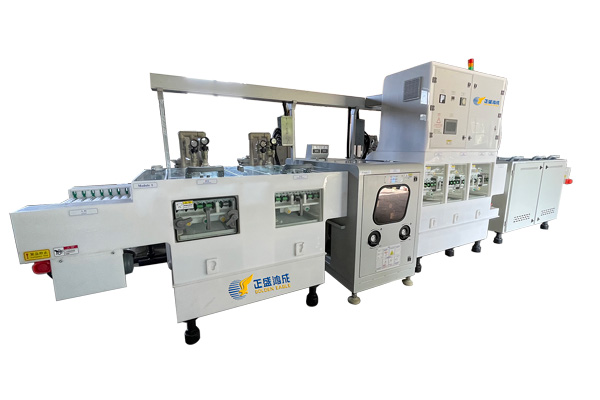
A PCB Brushing Machine is a specialized piece of equipment used in the printed circuit board manufacturing process. Its primary function is to clean, deburr, and prepare PCB surfaces through mechanical brushing action. Think of it as a very precise industrial cleaning system that removes oxidation, contaminants, and burrs from circuit boards without damaging the delicate copper traces and components.
When we first started using these machines in our facility back in the early 2000s, the technology was relatively simple. But today's PCB Surface Cleaning Machines have evolved into sophisticated systems with multiple brushing stages, automated controls, and precision engineering that can handle everything from thin flexible boards to thick aluminum substrates.
Key Point: The global PCB brushing machine market has grown significantly as manufacturers increasingly prioritize surface quality and miniaturization in electronic components. Modern electronics require pristine PCB surfaces that only professional brushing equipment can consistently deliver.
Why Surface Treatment Matters in PCB Manufacturing
Here's something many newcomers to PCB manufacturing overlook: the surface condition of your circuit board directly impacts everything from solderability to long-term reliability. I learned this the hard way when we had to recall an entire batch of boards because of adhesion failures.
Poor surface preparation leads to:
- Reduced solder joint strength - Contaminants prevent proper wetting and bonding
- Increased defect rates - Oxidation and debris cause manufacturing failures
- Lower production yields - Rework and scrap eat into your profits
- Customer complaints - End-product reliability issues damage your reputation
- Higher costs long-term - Fixing problems downstream is always more expensive
Investing in quality PCB Pretreatment Equipment like brushing machines isn't just about keeping up with technology—it's about protecting your bottom line and delivering products your customers can trust.
How Does a PCB Brushing Machine Work?
The basic principle behind these machines is straightforward, but the execution requires precision engineering. Here's how a typical Automatic PCB Cleaning Machine operates:
The Brushing Process Flow
The heart of the system is the brushing mechanism. Most machines use rotating rollers equipped with specialized brushes—typically nylon brushes with embedded abrasives or sisal brushes for heavier work. The brushes apply controlled pressure while the board moves through the machine on a conveyor system.
What makes modern PCB Brushing Equipment effective is the combination of mechanical action and fluid management. Water jets rinse away debris as it's loosened, and the entire process is computer-controlled to ensure consistent results across hundreds or thousands of boards.
Brush Types and Their Applications
Not all brushes are created equal. Over the years, we've tested various configurations and found that different materials serve different purposes:
| Brush Type | Best For | Typical Use Case |
|---|---|---|
| Nylon Abrasive | General cleaning, oxidation removal | Standard PCB surface prep |
| Sisal Fiber | Heavy deburring, thick materials | Aluminum substrates, thick boards |
| Steel Wire | Rust removal, scale cleaning | Metal parts cleaning |
| Non-woven Abrasive | Fine finishing, consistent results | Pre-plating preparation |
Types of PCB Brushing Equipment
When browsing equipment catalogs, you'll encounter several variations of PCB Cleaning Brushing Machines. Understanding the differences helps you choose the right one for your production needs.
Single-Side vs Double-Side Brushing Machines
The most fundamental distinction is whether the machine brushes one or both sides of the board:
Single-Side PCB Brushing Machines process boards from above or below, ideal for operations where only one surface needs treatment. They're generally more affordable and simpler to maintain.
Double-Side PCB Brushing Machines (what we specialize in at Golden Eagle) treat both surfaces simultaneously. This is essential for double-sided PCBs and multi-layer boards where quality on both sides impacts final performance. The GE-FBR650-6 series, for instance, features 6 brush rollers—three on top and three on bottom—for comprehensive double-sided treatment.
Roller Configuration Options
Machines come with varying numbers of brush rollers, typically ranging from 2 to 6 or more:
- 2-Roller Systems: Basic cleaning, smaller footprints, lower cost
- 4-Roller Systems: Improved cleaning capability, good balance of performance and investment
- 6-Roller Systems: Heavy-duty cleaning, faster production speeds, best for high-volume manufacturing
Specialized Equipment Variations
Beyond standard brushing, you'll find related equipment for specific applications:
PCB Deburring Machines focus specifically on removing burrs from drilling and routing operations. They typically feature tighter brush spacing and higher pressure for aggressive material removal. Our GE-D620 deburring machine handles holes from 0.3mm to 6.5mm diameter.
PCB Grinding Brushing Machines combine brushing with grinding action for removing deeper oxidation or surface defects. These are particularly useful for recovering boards with severe surface contamination.
Applications and Use Cases
In my experience working with PCB manufacturers worldwide, I've seen PCB Brushing Equipment used throughout the production process. Here are the most common applications:
Primary Applications for PCB Brushing Machines
- Pre-Etching Preparation – Removing oxidation and contamination before chemical etching ensures clean, precise circuit patterns
- Pre-Plating Treatment – Creating clean, micro-roughened surfaces improves copper adhesion in plating processes
- Post-Etch Cleaning – Removing residual etching chemicals and byproducts prevents corrosion and ensures proper subsequent processing
- Burr Removal – Eliminating drilling and routing burrs is critical for multi-layer boards and high-density designs
- Oxide Removal – Copper oxidation develops during storage and handling; brushing restores surface quality
- Finger Cleaning – Edge connectors and fingers require special cleaning for reliable contact performance
- Pre-Solder Mask Preparation – Clean surfaces ensure proper solder mask adhesion and coverage
Key Specifications to Consider
When evaluating PCB Surface Treatment Equipment, these specifications matter most based on your production requirements:
| Specification | What It Means | Typical Range |
|---|---|---|
| Working Width | Maximum board width the machine can handle | 400mm – 650mm+ |
| Board Size Range | Minimum and maximum board dimensions | 50×50mm to 650×650mm |
| Thickness Capacity | Board thickness range supported | 0.3mm – 6.0mm |
| Conveyor Speed | Production throughput rate | 0.5 – 12 m/min |
| Brush Roller Count | Number of brushing stations | 2 – 6+ rollers |
| Water Pressure | Rinse effectiveness | 2 – 8 bar |
| Power Requirements | Electrical specifications | 3-phase, 380-480V |
How to Choose the Right PCB Brushing Machine
Selecting the appropriate equipment isn't just about specs—it's about matching the machine to your specific production reality. Here's my practical advice after helping hundreds of manufacturers make this decision:
Assess Your Production Volume
If you're running small batches or prototype work, a compact Small PCB Brushing Machine like our GE-B100 (400mm working width) offers excellent value without overcommitting your floor space or budget. For high-volume production, you'll want a full-sized system with multiple brush stations and higher conveyor speeds.
Consider Your Board Types
Not all boards are created equal. Flexible PCBs, aluminum metal-core boards, and standard FR4 all have different surface treatment requirements. If you're working with aluminum substrates, look for machines with compatible brush materials and adjusted pressure settings to avoid damaging the base material.
Evaluate Your Facility Setup
Space constraints, utility connections, and workflow integration all factor into your decision. Some manufacturers benefit from standalone brushing stations, while others prefer integrated production lines where the brushing machine connects directly to upstream and downstream equipment.
Don't Forget About Support
This is something I can't stress enough: buy from manufacturers who offer real technical support. Equipment inevitably needs maintenance, and having experts available to help troubleshoot issues or source replacement parts makes a huge difference in long-term operating costs and production continuity.
Frequently Asked Questions
What's the difference between a PCB Brushing Machine and a PCB Deburring Machine?
While both are surface treatment equipment, they serve different primary purposes. A PCB Brushing Machine focuses on cleaning, oxidation removal, and surface preparation across the entire board surface. A PCB Deburring Machine specifically targets burrs—those small raised edges that form around holes and routed edges during drilling and cutting operations. Many facilities need both types of equipment to cover all their surface treatment requirements.
How often do the brushes need replacement?
Brush life depends on production volume, board materials, and operating settings. Under typical conditions, nylon abrasive brushes last approximately 3-6 months of continuous production before requiring replacement. We recommend keeping spare brushes in inventory to avoid production downtime.
Can a PCB Brushing Machine handle flexible circuits?
Yes, with appropriate settings and fixturing. Flexible PCBs require gentler brush pressure and often need specialized brush materials to avoid damaging the thin, flexible substrate. Our PCB Scrubbing Finishing Machine series is well-suited for flexible circuit applications when properly configured.
What's the typical throughput for a PCB Brushing Machine?
Production speed varies based on the machine model and treatment requirements. Standard brushing for surface cleaning typically processes boards at 2-5 meters per minute. Heavy deburring operations may run slower at 1-2 meters per minute to ensure thorough material removal.
How much does a quality PCB Brushing Machine cost?
Pricing ranges widely based on specifications, automation level, and manufacturer. Entry-level single-side brushing machines start around $10,000-15,000, while professional-grade double-side systems with multiple brush stations typically range from $25,000 to $60,000 or more. The right investment depends on your production requirements and quality standards.
Looking for Professional PCB Brushing Equipment?
Beijing Golden Eagle has been manufacturing PCB manufacturing equipment for over 20 years. We offer a complete range of brushing, cleaning, and deburring machines with CE certification and global shipping.
Contact Us for a QuoteConclusion
A PCB Brushing Machine is essential equipment for any printed circuit board manufacturer committed to quality and consistency. Whether you're processing simple single-layer boards or complex multi-layer assemblies, proper surface treatment through brushing directly impacts your final product quality.
The key is understanding your specific production requirements—board types, volumes, and quality standards—and selecting equipment that matches those needs. Don't hesitate to reach out to equipment manufacturers with detailed questions about your application. Most reputable suppliers, including ourselves, are happy to discuss your requirements and recommend appropriate solutions.
If you found this guide helpful, feel free to share it with colleagues who might benefit from understanding PCB surface treatment equipment. And if you have questions I haven't addressed, drop us a message—I'm always happy to help fellow PCB professionals.