
Etching Machine Operator Training: Skills, Safety & Certification
The etching line is the heart of any PCB or metal etching shop, but the line is only as good as the people who run it. A well-trained operator can hold a line at 98% yield, run a complex multi-product schedule, and catch small chemistry or process drifts before they become scrap. A poorly trained operator can knock a line out for a shift with a single bad chemistry mix. The difference between the two is a structured training program.
The etching line is the heart of any PCB or metal etching shop, but the line is only as good as the people who run it. A well-trained operator can hold a line at 98% yield, run a complex multi-product schedule, and catch small chemistry or process drifts before they become scrap. A poorly trained operator can knock a line out for a shift with a single bad chemistry mix. The difference between the two is a structured training program.
This guide covers what an etching line operator needs to know, the training pathway from new hire to senior operator, the safety and certification requirements, and how to set up a training program for a new shop.
Quick Answer
- An etching line operator needs 4 skill blocks: chemistry, equipment, process, and safety.
- Training pathway: 2–4 weeks classroom, 4–8 weeks supervised on-line, 6–12 months to senior operator.
- Safety training is non-negotiable. HF / acid / caustic handling, fume hood, PPE, emergency response.
- Certification: Most countries do not require a specific etching certification, but an internal certification program with documented pass / fail criteria is standard.
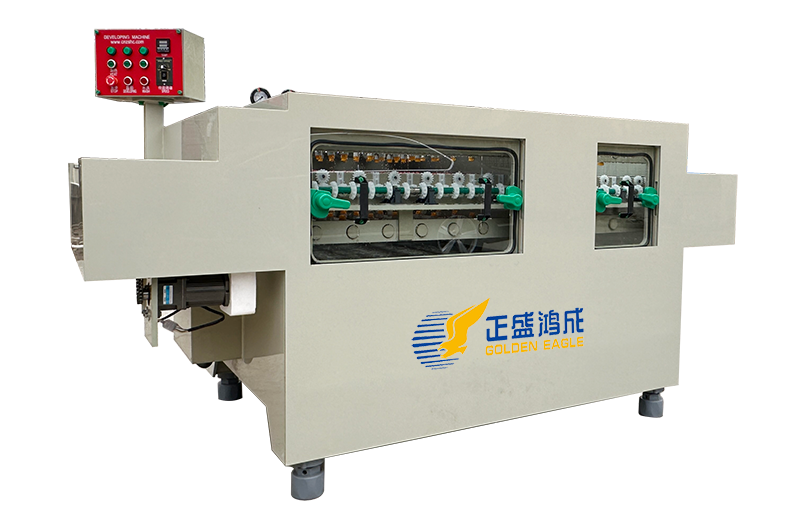
What an Etching Line Operator Needs to Know
The job of an etching line operator is to keep the line running at the target yield, throughput, and quality. Four skill blocks:
1. Chemistry
The operator needs to understand the chemistry of the etch:
- Etchant types. Ferric chloride, cupric chloride, NaOH for aluminum, HF / HNO3 for titanium, nitric / hydrochloric for silver, magnesium etchant.
- Etchant reactions. What the etchant is doing to the metal, what the byproducts are, how the bath changes as it loads with dissolved metal.
- Concentration control. Specific gravity, ORP, pH, free acid. How to measure, what the target range is, how to add fresh chemistry or water.
- Regeneration. How the regeneration system works, what to do if the regeneration stops, when to dump and replace the bath.
- Strip chemistry. NaOH for the standard resist strip. Nitric / chromic or proprietary strippers for aluminum.
2. Equipment
The operator needs to know the line:
- Conveyor and drive. Speed control, how to change the speed, what to do if the conveyor stops or slips.
- Spray system. Nozzle replacement, oscillation adjustment, how to detect a blocked or worn nozzle.
- Sump and pumps. Pump operation, leak detection, priming, seal replacement.
- Heater and chiller. Temperature control, alarm handling, what to do if the temperature drifts out of range.
- Fume hood and scrubber. Draft check, scrubber pH, alarm handling, what to do if the scrubber stops.
- Control panel. Recipe selection, parameter display, alarm log, trend reading.
3. Process
The operator needs to understand the process being run on the line:
- The 8-step PCB flow. From drilled panel to etched panel, what each step does, where the most common defects come from.
- Etch factor and undercut. What the artwork line width means in terms of metal removed, how the etch factor changes with chemistry, temperature, and conveyor speed.
- Process parameters. Conveyor speed, temperature, pressure, chemistry concentration. How they interact. What to do if a parameter drifts.
- Defect recognition. Under-etch, over-etch, undercut, mis-registration, resist residue, etch pitting, scratches. What each one looks like, what causes it, how to fix it.
- AOI (automated optical inspection). Reading the AOI output, classifying defects, deciding what to rework, what to scrap, what to flag for engineering.
4. Safety
Safety is the most important skill block. The operator needs to know:
- Chemical hazards. Ferric chloride, cupric chloride, NaOH, HF, HNO3, HCl. What each one does to skin, eyes, lungs. First aid for each.
- PPE. Gloves (HF-rated for HF lines), apron, face shield, respirator (when needed), safety shoes. When to wear what.
- Fume hood operation. Draft check, sash height, when to open the chamber for maintenance.
- Emergency response. Chemical splash, fume release, fire (most etchants are not flammable, but resist strippers and some cleaners are), spill containment.
- Waste handling. Spent etchant, rinse water, used resist. What goes where, who handles it, what not to mix.
The Training Pathway
Most etching lines train operators in 4 phases:
- Phase 1: Classroom (2–4 weeks). Chemistry basics, equipment overview, process theory, safety procedures, hands-on lab with small samples. The trainee learns the language and the theory before getting near the production line.
- Phase 2: Shadowing (1–2 weeks). The trainee watches a senior operator run the line for a full shift. They learn the rhythm of the line, the alarm sounds, the daily checks, the routine of recipe change and chemistry top-up.
- Phase 3: Supervised operation (4–8 weeks). The trainee runs the line under the supervision of a senior operator. They make the daily checks, change the chemistry, adjust the conveyor speed, handle the alarms. The senior operator checks their work and signs off on each skill as they demonstrate it.
- Phase 4: Independent operation (6–12 months to senior). The new operator runs the line independently, but with a senior operator available for questions. After 6–12 months of good performance, they are eligible for senior operator, which includes training new operators, leading shift change, and handling the harder alarms and process problems.
A structured training program takes about 6–12 months to take an operator from new hire to senior. The cost is real but the return is also real: a well-trained operator holds the line at target yield and throughput, while an undertrained operator is the most common cause of unplanned downtime.
Safety Training Is Non-Negotiable
An etching line is a chemical-handling environment. Every operator must be trained in:
- Chemical handling. Pouring, mixing, transferring, and dumping. Splash response. Spill containment.
- PPE. Which gloves, which apron, which face shield, which respirator. When to wear what. How to inspect PPE for damage.
- Fume hood operation. Draft check, sash position, when to open the chamber. The hood only works when the sash is at the correct height.
- Emergency response. Chemical splash to skin or eyes, fume release, fire, spill. Who to call, what to do first, where the safety shower and eye wash are.
- HF-specific (for HF lines). Calcium gluconate gel on hand, HF-rated gloves, scrubber operation, leak detection. Operators on HF lines need additional training and certification.
Safety training is not a one-time event. It should be refreshed at least annually, with a short toolbox talk at the start of every shift. Operators who handle a chemical they have not been trained on should stop and ask, not improvise.
Certification
Most countries do not have a legal requirement for etching line operator certification. The standard in the industry is an internal certification program run by the employer:
- Written test. Chemistry, equipment, process, safety. Typically 50–100 multiple-choice questions. Pass mark 80%.
- Practical test. Run the line for a full shift under observation, demonstrate the daily checks, change the chemistry, handle an alarm.
- Re-certification. Annual, with a short refresher course and a re-test.
- Special certification for HF lines. Operators on HF lines need additional training and a separate certification because of the higher hazard.
A few countries and industries have external certification programs (e.g. IPC for PCB operators in the US, certain Chinese industry standards for chemical workers), but most etching lines rely on internal certification. The value is in the training itself, not the certificate.
How to Set Up a Training Program for a New Shop
If you are setting up a new etching line, here is a practical way to structure the training program:
- Identify the senior operators. Pick the 2–3 most experienced people on the team, including any with prior etching experience. These are your trainers.
- Write the SOPs. Standard operating procedures for every routine task: daily checks, chemistry top-up, conveyor speed change, alarm handling, lot change, chemistry dump and replace. The SOPs are the training material.
- Build the training plan. 2–4 weeks classroom + lab, 1–2 weeks shadowing, 4–8 weeks supervised operation. Use the SOPs as the curriculum.
- Define the certification test. Written (chemistry, equipment, process, safety) and practical (run the line for a shift, handle an alarm). Pass / fail criteria documented.
- Run the program. First cohort of operators, certified to the standard. New hires go through the same program.
- Refresh annually. Safety refresh, SOP review, re-certification. Operators who fall behind the standard are re-trained.
A structured program takes 2–3 months to set up and 6–12 months per operator to complete. The cost is real but the return is also real: a well-trained operator holds the line at 95–99% yield, while an undertrained operator is the most common cause of unplanned downtime.
Common Training Mistakes
A few patterns that consistently produce poor results:
- Skipping the classroom phase. A new operator who goes straight to the line without understanding the chemistry will not understand the alarms or the process drift, and will guess when they should ask.
- No SOPs. Without written SOPs, training is word-of-mouth and inconsistent. Every operator runs the line slightly differently, and the line is never stable.
- No certification. Without a pass / fail test, the training is "we think they're ready", which means some undertrained operators run the line.
- No annual refresh. Operators drift in their practices, safety habits degrade, SOPs go out of date. An annual refresh is the only way to keep the standard.
- Senior operator as bottleneck. The most experienced operator becomes the only one who can handle the hard problems, and they are overloaded. Cross-train aggressively so there are 2–3 people at every skill level.
Setting Up an Etching Line and Need an Operator Training Program?
Golden Eagle supplies every etching line with a starter set of SOPs, a training plan, and a certification test. Send us the metal, the chemistry and the line configuration, and we will provide the training materials tailored to your operation.
Request a Training PlanConclusion
An etching machine operator is a skilled job, not a button-pushing job. The operator needs chemistry, equipment, process and safety training, with a structured pathway from new hire to senior. Safety training is non-negotiable, especially for HF lines. A well-run training program with SOPs, certification, and annual refresh is the single biggest factor in line yield and uptime. The cost of the program is real, but the cost of an undertrained operator is much higher.